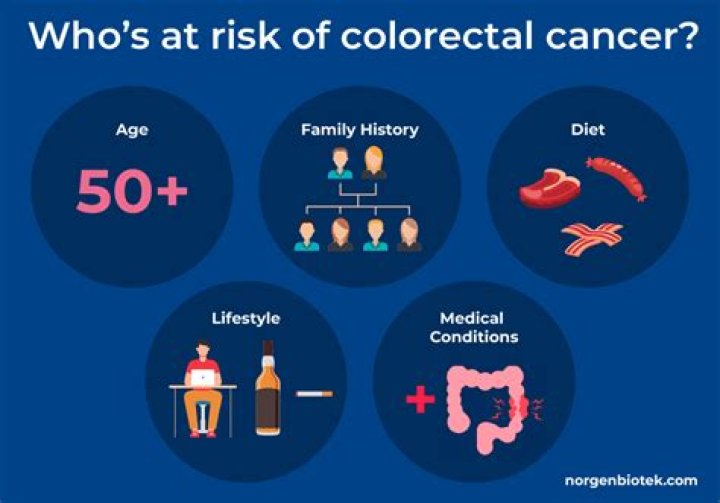
Colorectal cancer—otherwise known as colon or rectal cancer—used to be something you only needed to worry about once you reached the latter half of your life. This is no longer the case, however. The U.S. Federal Drug Administration (FDA) reports that while colorectal cancer rates are falling among older adults, they're actually rising for adults who are in their 40s, or even younger. "Cancer of any type is rare in people under 50, but the numbers show that colorectal cancer is no longer just a disease of older adults," the agency warns.
The best way to beat colorectal cancer is to get screened for it, according to the FDA. Colorectal cancer screenings can help catch polyps or other precancerous growths in your rectum or colon, which is how this disease typically starts. But there are also ways you can start reducing your chances of developing those growths in the first place.
Read on to find out the four ways the FDA says you can lower your risk of colorectal cancer.
READ THIS NEXT: Men Who Eat This Are at 29 Percent Higher Risk of Colorectal Cancer, New Study Finds.
1 Drink less alcohol.
Putting the bottle down could help prevent colorectal cancer. According to the FDA, studies have determined that drinking three or more alcoholic drinks every day can increase your risk of colorectal cancer by a staggering 41 percent.
"Ethanol, the type of alcohol found in commonly consumed drinks such as beer, wine, and spirits, acts an irritant to mucosal linings of the GI tract, including the mouth, esophagus, stomach, and small and large intestine," Kyle S. Eldredge, DO, a board-certified general surgery specialist working as a colorectal surgeon in Florida, tells Best Life. "The byproduct of alcohol causes damage and stress to cells and can even damage DNA inside cells. This can lead to abnormal function of cells and development of cancer."
2 Move your body more.
Research also points to the potential benefits of increased physical activity. According to the FDA, studies indicate that regular exercise can lower a person's risk of colorectal cancer by 24 percent. "For substantial health benefits, experts recommend doing 30 to 60 minutes of exercise most days of the week," the agency said. "Exercise can include everyday activities like walking a dog, doing chores around the house, or using the stairs."
For more health advice delivered straight to your inbox, sign up for our daily newsletter.
3 Don't smoke.
Most people know about tobacco's affect on lung cancer. But this is not the only disease smoking can cause. As the FDA explained, studies also show that people who use tobacco have an 18 percent higher risk of colorectal cancer as well. "Similar to excessive alcohol intake, smoking can cause DNA damage to the intestinal walls, increase inflammation, and cause impaired immunity," Soma Mandal, MD, a board-certified internist at Summit Health in New Jersey, explains.
According to Mandal, tobacco use can also change your gut microbiome and affect your nutrient intake which may help to increase your risk of colon cancer. "Smoking can cause nutrient malabsorption, such as calcium and vitamin D deficiency," she says. "These nutrients are important for maintaining a healthy colon."
4 Maintain a healthy weight.
Along with increased physical activity, it's also important to maintain a healthy weight. "Obesity is linked to an increased risk of colorectal cancer and death from colorectal cancer," the National Institute of Health's Cancer Institute warns on its website. The FDA adds that studies have found that in particular, women with obesity have a 45 percent higher risk of getting this disease and dying from it.
"Maintaining a healthy weight may help by avoiding insulin resistance that can develop when you are overweight," says Jill Barat, PharmD, a registered pharmacist with nearly 10 years of experience. "With insulin resistance, the body responds by making more insulin, which can ramp up unwanted growth factor signaling and cancer cell growth."
Best Life offers the most up-to-date information from top experts, new research, and health agencies, but our content is not meant to be a substitute for professional guidance.When it comes to the medication you're taking or any other health questions you have, always consult your healthcare provider directly.
Kali Coleman Kali Coleman is a Senior Editor at Best Life. Her primary focus is covering news, where she often keeps readers informed on the ongoing COVID-19 pandemic and up-to-date on the latest retail closures.Read moreFiled UnderHealth AdviceSources referenced in this article- Source:
- Source:
These Are the First Signs of Colorectal Cancer
Doctors explain what to watch for, and the best way to prevent it.March 4, 202330 Things You Had No Idea Could Cause Cancer
These daily habits could be spiking your risk of disease.February 24, 2023Everything You Need to Know About Ikigai, The New Hygge
Meet the next "life philosophy" trend sweeping the globe.October 17, 201730 Life Changes You Should Make After 30
You're too old to skip those doctors visits.February 20, 2018This Is Why Lying Is Good for You
A little fib never hurt anyone—in fact, lying may be good for you.March 26, 2018How I Look 15 Years Younger—And How You Can, Too
The plan is easy, effective, and works for everyone.August 30, 2018The Secret to Raising Healthy Kids
Hint: It's one of the oldest family traditions in the book. December 15, 201740 Genius Ways to Have More Energy After 40
Revamp your diet, lifestyle, and work habits for more energy—instantly.August 14, 201820 Surprising Reasons Your Hair is Thinning
Plus proven tricks to get your mane back on track.May 15, 2018The 7 Best Luxury Fitness Vacations
Thinking outside the beach? Try one of these amazing getaways.February 19, 2018