There's so much to love about summer: The days are longer and warmer, school is out, and backyard barbecues and pool parties are back in session. However, the sunny season also has its fair share of pain points, like stifling humidity, unexpected rain showers, pesky mosquitoes, buzzing cicadas, and… invasive ants?
RELATED: Giant Burmese Pythons From South Florida Are "Invading" the North.
If you've ever come across an ant trail in or around your home, you know how vexing those little critters can be. Ants are typically active between March and October, with most house sightings occurring during the summer months, per Dodson Pest Control.
"As temperatures rise, ants become more active and begin to search for food. They are also more likely to reproduce during this time, which can lead to an increase in the number of ants in a colony—and an increase of ants visible on your property," explains the company.
While house ants are more bothersome than harmful, experts have issued an alert about an invasive ant species that is infiltrating homes all across Florida.
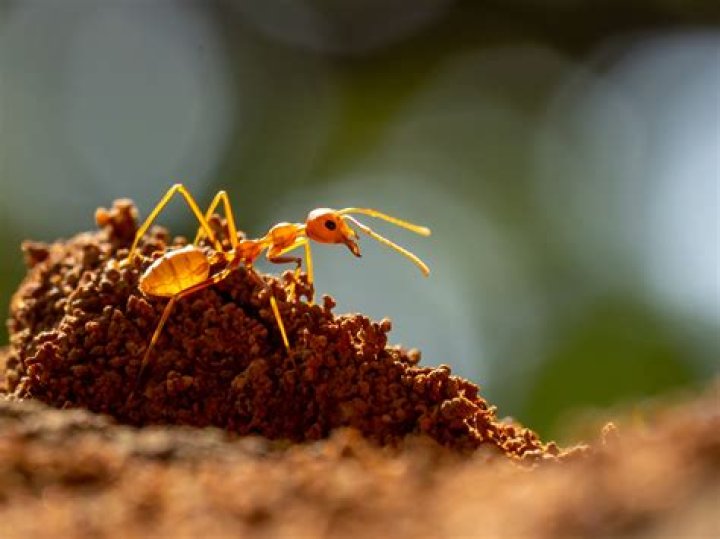
Native to Brazil, "tawny crazy ants" are reddish-brown in color and have a reputation for moving "quickly and erratically," according to researchers at the University of Florida.
The ants migrated from Brazil to Colombia in the mid-1900s before making their way to the coast of Texas and Florida. They've since mined their way into parts of Louisiana, Mississippi, Alabama, and Georgia.
Tawny ants aren't hard to spot, but they are hard to kill. The insects travel in herds and build "super colonies," which are basically neighborhoods of connected ant hills governed by several ant queens. This colonial community makes the ants extremely hard to exterminate, explains Florida researchers.
"We had a big infestation in a golf course community, and they were actually coming from a wooded area near the golf course," Rudolf Scheffrahn, PhD, a professor of entomology at the University of Florida, told Click Orlando. "You can spray the infested area, but it doesn't kill the colony."
Tawny ant infestations, especially when left untreated, can wreak havoc on a house—and sometimes exterminating doesn't always do the trick. Because of how quickly these ants can forage and the sheer amount of them, some pest companies fail to treat the root of the problem, Scheffrahn said.
"Most pest control companies just want to treat the property where they're getting paid," he explained. "And they don't necessarily want to expand beyond that because that's not their mission. Their mission is to make the customer there happy. So it's kind of an area-wide issue with controlling these things."
Luckily, tawny ants aren't poisonous. They're also "ephemeral," which means, "They come in one spot. They take over. They disappear," per Scheffrahn.
"They have no sting. Their bite is very, very lame," Scheffrahn assured. "The real problem is the nuisance once they get in your property, in your house. Again, they come in massive numbers—overtake everything."
RELATED: How to Get Rid of Ants in the Kitchen.
Scientists at The University of Texas at Austin are experimenting with different ways to control the invasive ant species. According to Edward LeBrun, a research scientist with the Texas Invasive Species Research Program at Brackenridge Field Laboratory, there is a naturally occurring fungus called "microsporidian" that can help stop the spread.
"This doesn't mean crazy ants will disappear," LeBrun told UT News. "It's impossible to predict how long it will take for the lightning bolt to strike and the pathogen to infect any one crazy ant population. But it's a big relief because it means these populations appear to have a lifespan."
Meanwhile, University of Florida researchers do have a few tips and tricks to keep homes safe from tawny ants this summer. They recommend keeping trash and recycle bins clean and stored away from your home, picking up yard debris, and following a routine yard maintenance schedule (mowing, trimming, etc.).
There are also things you can do inside your house to prevent an infestation, such as mopping up spills, eliminating dirty dishes and accumulating trash, and keeping foods tightly sealed. If you have a pet, researchers suggest putting away their food bowls outside of eating hours.
It's better to seek out a professional pest control service rather than self-treat your home or yard. Even if you don't currently have an infestation, a professional can recommend products or bait treatments to help keep lurking insects away.
Emily Weaver Emily is a NYC-based freelance entertainment and lifestyle writer — though, she’ll never pass up the opportunity to talk about women’s health and sports (she thrives during the Olympics).Read moreFiled UnderNews • PestsRead This NextHow to Get Rid of Ants in the Kitchen
You can fight back with supplies you probably keep in the same room.March 13, 2024How to Stop Rodents From Eating Your Plants
These simple solutions will keep your garden looking great, pest experts say.April 20, 2024Invasive Spiders Are Multiplying
They'll be in a city near you sooner than you think.March 4, 2024Invasive Ladybugs Are Spreading
You might not realize that these beetles can lurk in your home.January 9, 2024Giant Cicada-Killing Wasps Coming This Summer
The flying insects will reappear to hunt the infamous swarming cicadas.March 27, 2024How to Get Rid of Boxelder Bugs
You don't need to live with these uninvited guests taking over the side of your house.April 8, 20246 Bugs You Should Never Kill
Pest experts advise against killing certain bugs due to their role in the ecosystem.January 17, 20248 Indoor Plants That Keep Bugs Away
These are the best bug-repelling houseplants, they say.June 27, 2023Giant Burmese Pythons Are "Invading"
A dead 8-foot-long snake was found in a north Florida neighborhood.May 23, 2024Never Do These Things If You See a Bee Swarm
Don't disturb them and they won't disturb you.May 9, 2023